
acid etched glass price
Introduction to Tinted Glass Tinted glass is a versatile material that combines functional performance with aesthetic appeal. By incorporating specific colorants during the manufacturing process, this glass achieves a unique visual effect while offering practical benefits. Tinted glass is widely used in architectural, interior, and automotive applications to manage sunlight and enhance energy efficiency. This article delves into its features, advantages, technical specifications, and real-world applications, supported by authoritative references from the National Institute of Standards and Technology (NIST). Key Features of Tinted Glass Tinted glass is engineered to address two primary challenges: excessive solar heat and intense sunlight. Its unique properties make it a preferred choice for modern construction and design. Heat Absorption and Solar Radiation Control One of the standout features of tinted glass is its ability to absorb solar radiation more effectively than clear float glass. According to NIST research on solar control materials, tinted glass significantly reduces heat transmittance. For instance, a 6mm-thick clear float glass allows 84% of solar heat to pass through, while tinted glass reduces this to approximately 60%. The darker the color, the lower the heat transmittance, making it an ideal solution for regions with high solar exposure. By integrating reflective glass technology, manufacturers can further enhance the energy efficiency of tinted glass. This dual-layer approach optimizes both heat and light management, aligning with modern sustainability goals. Light Intensity Reduction In areas with intense sunlight, such as deserts or low-latitude regions, tinted glass provides a practical solution to mitigate glare. It softens the intensity of natural light, creating a more comfortable indoor environment. This feature is particularly beneficial in commercial and residential buildings where visual comfort is critical. NIST studies on daylighting systems highlight the importance of controlling light levels to reduce eye strain and improve productivity. Tinted glass, with its ability to modulate light transmission, plays a vital role in achieving these objectives. Advantages of Tinted Glass The advantages of tinted glass extend beyond its functional properties, offering a range of benefits for users and designers alike. Energy Efficiency By reducing heat gain and glare, tinted glass contributes to lower energy consumption in buildings. This aligns with global efforts to combat climate change and promote sustainable construction practices. NIST's guidelines on energy-efficient building materials emphasize the role of advanced glazing solutions in reducing reliance on artificial lighting and HVAC systems. Aesthetic Versatility The availability of multiple color options—such as blue tinted glass , grey tinted glass , and bronze tinted glass —allows for creative design possibilities. These colors can enhance the visual appeal of facades, interiors, and automotive applications while maintaining functional performance. Product Specifications Understanding the technical details of tinted glass is essential for selecting the right product for specific applications. Size (mm) 1650x2140, 1830x2440, 2140x3300, 2440x3300, or custom sizes Thickness 4mm, 5mm, 6mm, 8mm Colors Golden Bronze, Euro-Bronze, Dark Grey, Euro Grey, Black, F-Blue, Dark Green, F-Green, Ocean Blue, and more Applications Architecture, furniture, and interior decoration Applications of Tinted Glass Tinted glass is a versatile material with diverse applications across industries. Architectural Use In commercial and residential buildings, tinted glass enhances the aesthetic value of facades while improving energy efficiency. Its ability to reduce glare and heat gain makes it ideal for office spaces, retail stores, and homes in sunny climates. According to NIST's research on building envelope systems, tinted glass contributes to better thermal performance and occupant comfort. Interior Design For interior spaces, tinted glass can be used in partitions, windows, and decorative elements. Its color options allow for creative expression while maintaining a balance between natural light and privacy. NIST's studies on interior lighting design highlight the importance of materials that can modulate light without compromising visual clarity. Automotive Applications In the automotive industry, tinted glass is used in vehicle windows to reduce glare and protect passengers from excessive sunlight. This application not only enhances driver safety but also improves the overall driving experience. NIST's guidelines on automotive materials emphasize the need for durable, high-performance solutions like tinted glass. Company Background: Shahe Shott Glass Co., Ltd. Shahe Shott Glass Co., Ltd. is a leading manufacturer of high-quality glass products, specializing in tinted glass and related solutions. With a focus on innovation and sustainability, the company offers a wide range of products tailored to meet the demands of modern architecture and design. Their expertise in processing and customizing glass ensures that clients receive optimal performance and aesthetic value. Product Display and Visuals Explore the visual diversity of tinted glass through the following images: Conclusion Tinted glass is a transformative material that balances functionality and design. Its ability to manage solar heat and light intensity, coupled with its aesthetic versatility, makes it an essential component in modern architecture and design. With the expertise of Shahe Shott Glass Co., Ltd. , users can access high-quality solutions tailored to their specific needs. References 1. National Institute of Standards and Technology (NIST) . (n.d.). Solar Radiation and Energy Efficiency . Retrieved from https://www.nist.gov 2. NIST . (n.d.). Building Envelope Systems and Thermal Performance . Retrieved from https://www.nist.gov 3. NIST . (n.d.). Daylighting and Interior Lighting Design . Retrieved from https://www.nist.gov
-
what is laminated glass used for
what is laminated glass used for
View Details -
led makeup light
led makeup light
View Details -

laminated tempered glass
laminated tempered glass
View Details -
frameless bathroom mirror
frameless bathroom mirror
View Details -
led standing mirror
led standing mirror
View Details
Our application
-
 read more
 -
 read more
 -
 read more
 -
 read more
 -
 read more
 -
 read more
news and information
Using a Thread Ring Gauge for Precision Thread Measurements and Inspections
The Importance of Thread Ring Gauges in Quality Control Thread ring gauges are vital tools used in v
Y Type Strainer Featuring Convenient Drain Valve for Efficient Fluid Filtration
Understanding Y-Type Strainers with Drain Valves In industrial settings, efficient fluid management

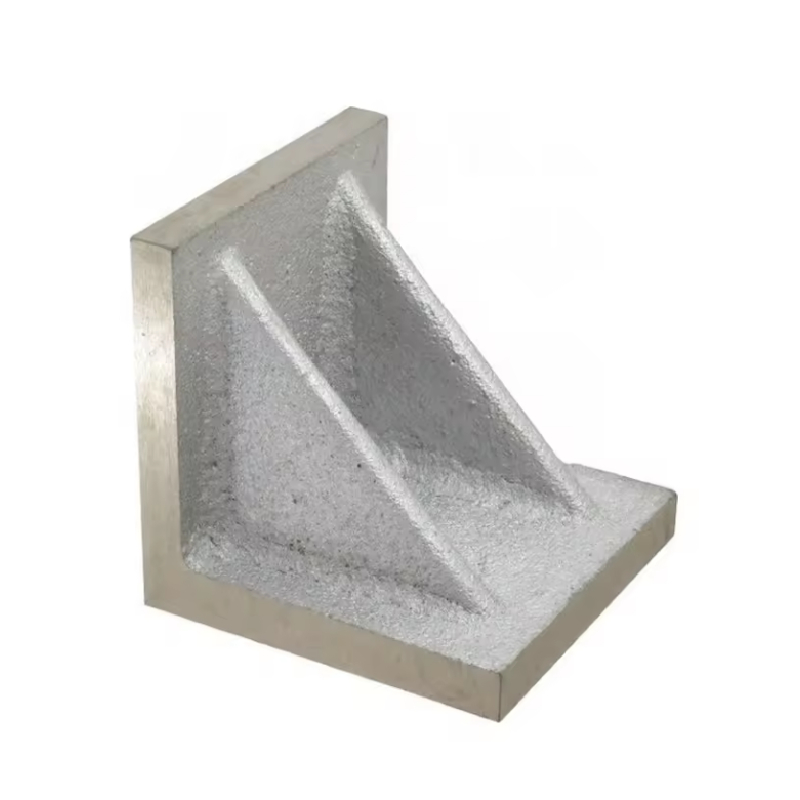
Using a Right Angle Ruler for Accurate Measure and Design in Everyday Projects
The Versatility of the Ruler with Right Angle A Tool of Precision and Creativity The ruler with a ri